Stage to Streaming: How Canada's Festival Circuit Is Minting the Next Generation of Independent Artists
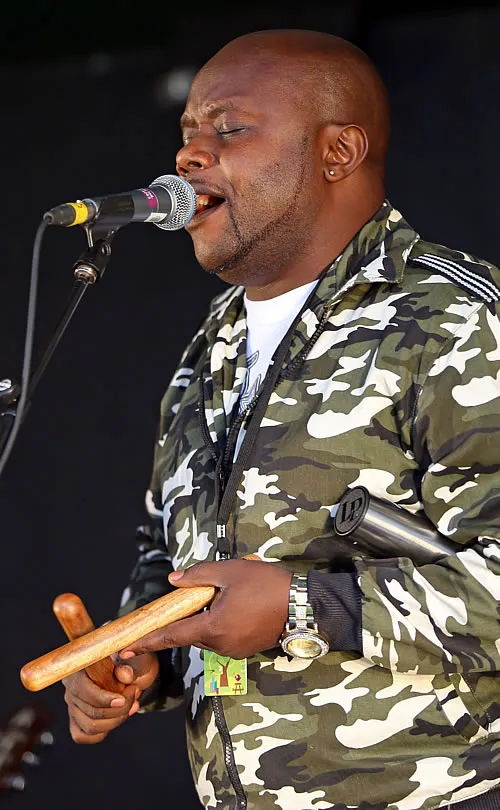
Photo: Tracy O'Camera, CC BY 2.0, via Wikimedia Commons
There's a moment every Canadian music fan knows. You're standing in a crowd at some mid-afternoon set, coffee in hand, half-distracted — and then someone walks on stage and absolutely floors you. You've never heard of them. By Monday morning, you've listened to their entire catalogue twice. That moment? Canada's festival circuit has been manufacturing it on repeat for years, and the artists who benefit most aren't the headliners. They're the ones grinding through the afternoon slots, building something real without a major label whispering in their ear.
Canada's festival landscape is genuinely one of a kind. It spans everything from the massive, Coachella-adjacent spectacle of Osheaga in Montreal to the roots-soaked intimacy of the Vancouver Folk Music Festival, the scrappy indie energy of Breakglass Sessions, and the eclectic community feel of Ottawa Bluesfest. Each event serves a different audience, a different vibe — but they all share one quietly revolutionary function: they're turning unknown Canadian artists into household names, one unforgettable set at a time.
The Discovery Engine Nobody Talks About
Major labels have historically treated Canadian festivals as talent scouts in disguise. But here's what's changed: the artists have figured that out too, and they're playing the game on their own terms.
Independent musicians across the country are now approaching festival bookings with the same strategic thinking a startup founder brings to a pitch deck. A slot at Osheaga — even a small one — reaches tens of thousands of music lovers in a single weekend, many of whom are actively looking for something new. Pair that with the real-time social media amplification that happens when a crowd goes wild for an act nobody expected, and you've got organic marketing that no advertising budget can truly replicate.
Montreal-based singer-songwriter Charlotte Cardin's trajectory is a case study in this. Long before she was racking up Juno Awards and streaming numbers that would make any label executive jealous, she was doing the festival circuit work — building a fanbase set by set, city by city. Her story isn't unique. It's practically a template.
Festivals as Networking Hubs (The Part They Don't Put on the Poster)
Here's something that doesn't get nearly enough airtime: the backstage economy of Canadian music festivals is arguably as valuable as the stages themselves. Booking agents, music supervisors, journalists, fellow artists, podcast producers, brand reps — they all converge in the same green rooms and after-parties. For an independent artist without a label's rolodex, that access is priceless.
The Vancouver Folk Music Festival, for instance, has a well-earned reputation for fostering genuine artistic community. Artists are housed together, encouraged to collaborate, and often end up co-writing or co-touring long after the festival wraps. That kind of organic relationship-building simply doesn't happen in a label boardroom.
Breakglass Sessions, which started as an intimate Montreal concert series before growing into something much larger, operates on a similar philosophy. The whole model is built around creating space for artists to connect with audiences — and with each other — in ways that feel real rather than transactional. Independent artists thrive in that environment because authenticity is literally the product.
Revenue Beyond the Gate: Turning Festival Moments into Streaming Momentum
One of the biggest misconceptions about the Canadian indie music scene is that festival exposure is mostly symbolic — a cool credit on your bio but not a meaningful revenue driver. That narrative is increasingly outdated.
Savvy independent Canadian artists are now treating festival appearances as content goldmine opportunities. A stunning live performance gets clipped, shared, and reshared across TikTok, Instagram Reels, and YouTube Shorts. A song that lands just right in front of a live crowd can spike Spotify streams by thousands in a single week. Artists are hiring videographers for their festival sets the same way they'd budget for a studio session — because the ROI is real.
There's also the merchandise angle. Canadian festival crowds are loyal. If you move someone emotionally on a Saturday afternoon, there's a solid chance they're buying a vinyl or a hoodie before they leave the grounds. For independent artists keeping 100% of their merch revenue — no label cut, no management percentage eating into the margins — those sales add up fast.
What "Success" Looks Like When You Skip the Major Label Path
The definition of a successful music career in Canada is being rewritten in real time. A generation ago, the dream was a major label deal, a national radio campaign, and a FACTOR grant to tide you over. That path still exists, but it's no longer the only one — and for a growing number of artists, it's not even the preferred one.
Independent Canadian artists are increasingly building what you might call portfolio careers: festival income, sync licensing deals for film and TV (and Canada's screen industry is booming, so there's no shortage of opportunities there), Bandcamp sales, Patreon communities, and streaming revenue — all stacked together into something genuinely sustainable.
The festival circuit is the connective tissue holding all of it together. It's where the audience grows, where the press relationships develop, where the brand partnerships get initiated over a post-show drink. It's where Canadian artists prove, night after night, that you don't need a major label's infrastructure when you've got a country full of music lovers willing to show up.
The Road Ahead
Canada's festival scene faces real challenges — rising production costs, the ongoing recovery from pandemic-era losses, and the eternal tension between growing an event and keeping it from losing its soul. But the independent artists who've built their careers through these stages aren't going anywhere. If anything, they're more embedded in the festival ecosystem than ever, because they understand its value in a way that a streaming algorithm never will.
The next time you're standing in a field somewhere between the food trucks and the main stage, watching an act you've never heard of absolutely kill it — remember that moment. You might be watching the beginning of something. Canada's got a long history of making those moments happen.